
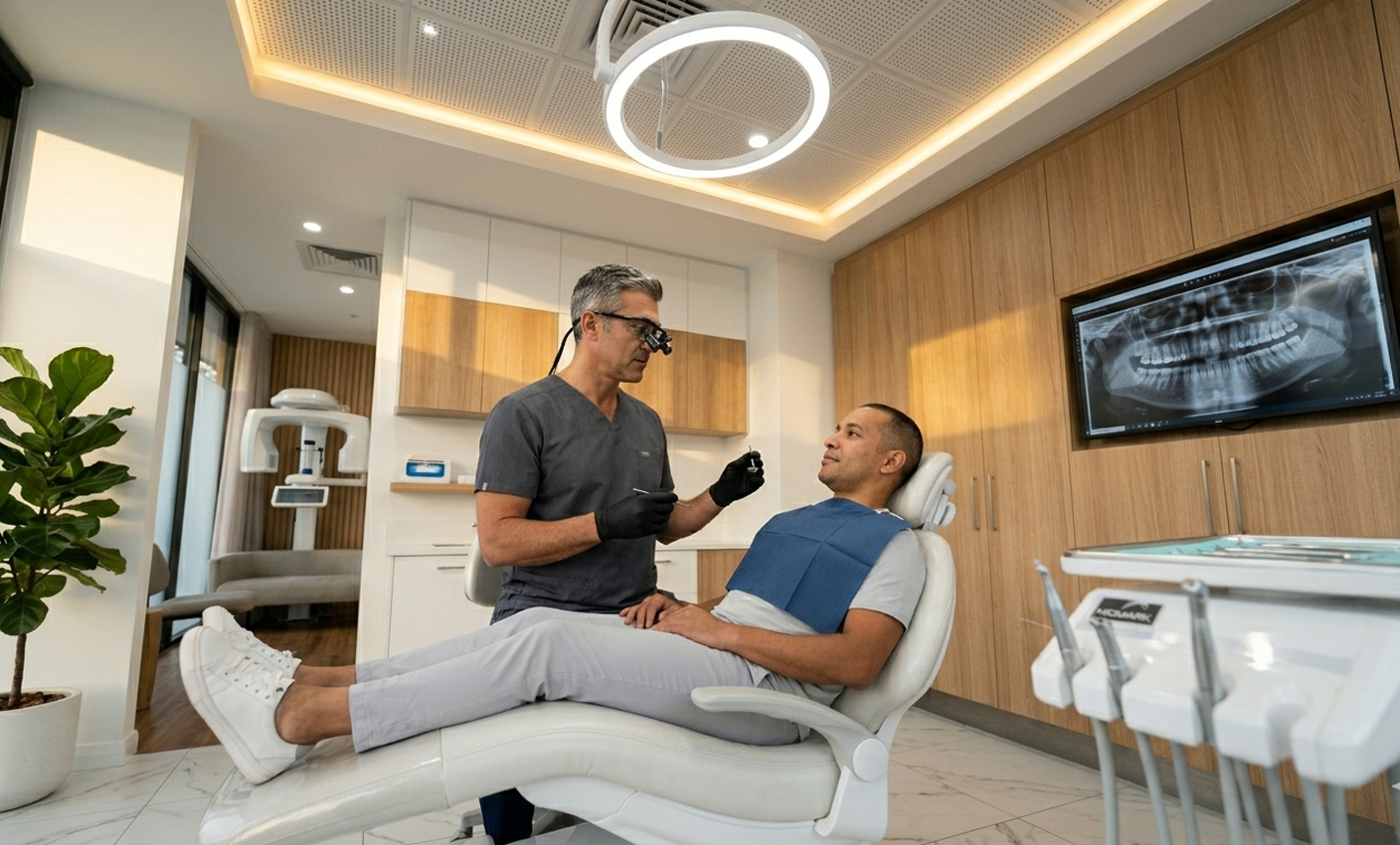
Dental Implants Pensacola FL Explained: Comfort, Care, and Confidence for Your Smile
Dental implants in Pensacola, FL, offer a reliable and long-lasting solution for those missing one or more teeth. They restore both the look and function of natural teeth, allowing people to eat, speak, and smile with confidence.
Local dentists use modern techniques to ensure the process is comfortable and tailored to each patient’s needs. Many find implants improve their overall oral health by preventing bone loss and keeping surrounding teeth stable.
For anyone considering dental implants, exploring options with a skilled Pensacola dental team can make all the difference. They provide clear guidance and support every step of the way, helping patients feel at ease about their oral health decisions.
What Are Dental Implants?
Dental implants are a modern solution to replace missing teeth with a natural look and feel. They consist of a small post surgically placed into the jawbone, where it acts like a tooth root.
This post supports a crown, bridge, or denture, providing stability and comfort. The process involves careful planning, placement, and healing time to ensure the implant bonds well with the bone.
How Dental Implants Work
A dental implant works by integrating directly with the jawbone through a process called osseointegration. After the implant is placed into the bone, it fuses over several months, creating a strong foundation.
Once healed, an abutment is attached to the implant to connect the replacement tooth or teeth. This secure connection allows the implant to function just like a natural tooth.
This setup preserves jawbone health by stimulating the bone, which prevents shrinking that often follows tooth loss. Patients can chew, speak, and smile with confidence because of the implant’s stability.
Types of Dental Implants
There are several types of dental implants based on their shape and how they are placed:
- Endosteal implants: The most common, inserted directly into the jawbone.
- Subperiosteal implants: Placed under the gum but above the bone, used when jawbone is inadequate.
- Mini implants: Smaller in diameter, often used for stabilizing dentures or in tight spaces.
Materials are usually titanium or zirconia, chosen for safety and strength. The choice depends on patient health, bone structure, and the number of teeth being replaced.
Benefits Over Other Tooth Replacements
Dental implants offer several advantages compared to dentures or bridges:
- Longevity: Implants can last decades with proper care, unlike bridges that may need replacing every 7-10 years.
- Bone preservation: Implants prevent bone loss, maintaining facial structure.
- Natural feel: They don’t shift or slip like dentures.
- No impact on adjacent teeth: Unlike bridges, implants don’t require neighboring teeth to be filed down.
Additionally, implants improve chewing ability and speech, enhancing daily comfort and confidence. Many patients find implants feel and function more like their original teeth.
Why Choose Dental Implants in Pensacola, FL?
Dental implants in Pensacola offer tailored treatment plans, attention to patient comfort, and access to the latest dental technology. These features help residents restore their smiles with reliable, lasting results while feeling supported throughout the process.
Personalized Local Care
Dental offices in Pensacola focus on creating individualized care for each patient. They begin with thorough evaluations, including dental imaging and oral health assessments, to design implant solutions that fit unique needs.
This hands-on approach means patients receive clear explanations and treatment options suited to their lifestyle, whether replacing a single tooth or a full arch. Dentists take time to address concerns about pain, healing, and maintenance, ensuring comfort at every step.
Including follow-up visits and ongoing checkups, local providers build relationships that support long-term implant success and overall oral health.
Community-Focused Dental Practices
Pensacola dental practices often emphasize community values and personal connections. These offices prioritize a welcoming atmosphere where patients feel known and cared for beyond just the procedure.
Many practices engage with local organizations or offer educational events, helping raise awareness about dental health. This community involvement reinforces trust and reflects a commitment to improving residents’ well-being.
Patients benefit from clinics that balance professionalism with friendly service, creating an environment that reduces anxiety around implants and fosters confidence in the treatment journey.
Local Expertise and Advanced Technology
Dentists in Pensacola combine years of experience with access to modern dental technologies like 3D imaging, digital impressions, and guided implant surgery. These tools increase precision and reduce recovery times.
Using advanced equipment allows for minimally invasive procedures tailored exactly to the patient’s mouth. This reduces discomfort and improves the long-term stability of implants.
Local specialists also stay current with evolving techniques and materials, ensuring patients have access to effective, up-to-date implant options that fit their health and budget.
Candidacy for Dental Implants
Understanding who qualifies for dental implants involves more than just having missing teeth. It requires assessing bone health, overall medical conditions, and lifestyle habits to ensure the procedure is safe and effective.
Who Is a Good Candidate?
A good candidate for dental implants typically has sufficient jawbone density to support the implant. If the bone has deteriorated, bone grafting might be needed before implant placement.
Healthy gums and good oral hygiene are crucial because infection around the implant site can cause failure. Candidates must be free from active gum disease.
Candidates should be non-smokers or willing to quit, as smoking impairs healing and implant success. Regular dental visits and a commitment to maintaining oral care improve long-term results.
Health Considerations
Chronic illnesses like diabetes or autoimmune diseases do not automatically exclude someone from implant treatment. However, these conditions need to be well-managed to reduce complications.
Medications such as blood thinners or steroids can affect healing time and bleeding risk. Patients should share their complete medical history with their dental provider.
If a patient has undergone radiation therapy in the head or neck area, healing may be compromised. This requires specialized evaluation and careful planning before proceeding with implants.
Age and Lifestyle Factors
There is no strict age limit for dental implants, but younger patients must have fully developed jawbones. Older adults can also receive implants if their bone and health support the procedure.
Lifestyle factors like smoking, heavy alcohol use, or poor nutritional habits can hinder healing and increase implant failure risk. Candidates should adopt healthier routines when possible.
Active individuals should consider potential impacts on healing after the procedure and follow post-operative care instructions closely for the best outcome.
The Dental Implant Procedure
Getting dental implants involves a series of carefully planned steps to ensure the best fit and long-lasting results. Each phase is designed to maximize comfort, promote healing, and restore function naturally.
Initial Consultation and Digital Imaging
The process begins with a comprehensive consultation where the dentist evaluates oral health, discusses medical history, and outlines expectations. Advanced digital imaging, including 3D X-rays or CBCT scans, provides precise views of the jawbone and surrounding structures.
This detailed imaging helps the dentist determine if there’s enough bone to support the implant or if additional procedures like bone grafting are needed. It also aids in customizing the treatment plan and planning the exact placement site, improving accuracy and minimizing surprises during surgery.
The Implant Placement Process
During implant placement, a titanium post is surgically inserted into the jawbone to act as an artificial tooth root. This procedure is usually done under local anesthesia, so patients feel little to no pain during the surgery.
The post is positioned in a way that offers a stable foundation for the replacement tooth. Over the next few months, a process called osseointegration takes place, where the bone fuses naturally with the implant, anchoring it securely. This healing period is critical for long-term success and patient comfort.
Recovery and Aftercare
After implant placement, patients may experience mild swelling or tenderness, which typically improves within a few days. The dentist provides specific aftercare instructions to support healing, such as maintaining oral hygiene, avoiding certain foods, and taking prescribed medications if necessary.
Regular follow-up visits help monitor progress and address any concerns. Once healing is complete, an abutment and crown are attached to the implant, restoring the tooth’s appearance and function. Proper care ensures the implant can last for many years.
Modern Comfort: Sedation and Pain-Free Options
Patients often worry about discomfort during dental implant procedures. Advances in sedation and pain control have made treatments smoother and less stressful. Understanding these options helps patients feel more confident and at ease.
Sedation Dentistry Explained
Sedation dentistry uses medication to help patients relax during dental work. It ranges from mild sedation, like oral tablets, to deeper options such as intravenous (IV) sedation. The choice depends on the patient’s anxiety level, health, and the complexity of the procedure.
Mild sedation allows patients to stay awake but calm. IV sedation puts patients in a deeper state of relaxation with little memory of the procedure. Local anesthesia always accompanies sedation to numb the area completely.
Dentists monitor vital signs closely to ensure safety. Sedation ensures that fears about pain or discomfort don’t prevent patients from getting the care they need.
How We Enhance Patient Comfort
Modern dental offices use several methods to increase comfort beyond sedation. For example, advanced numbing techniques target nerves precisely, reducing or eliminating pain at the implant site.
Distraction tools like music or videos can help relax patients during longer treatments. Also, using smaller, more precise instruments minimizes tissue trauma and speeds recovery.
Patients are encouraged to communicate openly about their comfort needs. Staff are trained to adjust approaches as needed, creating a supportive environment from consultation through healing.
If concerns arise, patients should ask about sedation or comfort options to tailor their experience.
Costs and Financing Dental Implants
Understanding the expenses involved and the options to manage payment can help patients make informed decisions about dental implants. This section highlights what to expect financially and the ways to handle costs without stress.
Implant Pricing in Pensacola, FL
Dental implant costs in Pensacola typically range from $3,000 to $5,000 per tooth. This price covers the implant post, abutment, and crown, but additional fees may apply for procedures like bone grafts or extractions.
Prices can fluctuate based on the clinic, materials used, and complexity of the case. Some practices offer free consultations to provide a personalized estimate, which helps patients understand the total investment needed.
Insurance and Payment Plans
Most dental insurance plans don’t fully cover implants but may pay for parts like the crown or consultation. Patients should check their coverage carefully and ask their provider for detailed benefit information.
Many Pensacola dentists offer flexible payment plans, often with low or zero interest. These plans break down costs into monthly installments, making treatment more affordable over time. Financing companies like CareCredit are also popular options, providing accessible credit specifically for medical and dental work.
Longevity and Maintenance of Dental Implants
Dental implants are designed to last many years, but their lifespan depends largely on how well they are cared for. Routine habits and professional checkups both play key roles in keeping implants healthy and functional.
Caring for Your New Smile
Proper daily care is essential for dental implants. Brushing twice a day with a soft-bristle toothbrush helps remove plaque without damaging the implant surface. Flossing around the implant site is just as important to prevent gum inflammation.
Using an antimicrobial mouthwash recommended by a dentist can reduce bacteria that affect both implants and natural teeth. Avoiding excessive force, like chewing very hard foods or grinding teeth, protects the implant from stress.
Regular dental cleanings every 6 months allow professionals to spot early issues and keep the area around the implant clean. These simple steps help maintain not only the implant but also the health of surrounding gums and bone.
Ensuring Long-Term Success
Regular dental visits are crucial to monitor dental implants over time. Dentists check for signs of implant mobility, gum disease, or bone loss, which can affect stability. Early identification allows for prompt treatment options.
Lifestyle habits impact implant longevity. Smoking reduces blood flow to gums, increasing the risk of implant failure. Managing conditions like diabetes also supports healing and maintenance.
Patients should inform their dentist about any discomfort, swelling, or changes around the implant site. Timely communication and following personalized care instructions increase the chances of keeping implants functional for decades.
Comparing Dental Implants to Other Solutions
When deciding on tooth replacement, the durability, comfort, and long-term benefits weigh heavily. Cost, maintenance, and impact on surrounding teeth also influence the choice.
Dental Bridges vs. Implants
Dental bridges rely on adjacent teeth for support, often requiring those teeth to be filed down. This can compromise healthy teeth and increase risk of decay or sensitivity. Bridges typically last 5 to 15 years but may need replacement sooner than implants.
Implants are surgically placed into the jawbone, acting like natural roots. This preserves bone health and prevents shrinking over time. Implants can last several decades with proper care, making them a more permanent solution.
Bridges require less invasive surgery and usually cost less initially. However, implants often offer better function and appearance. Patients who want to avoid affecting healthy teeth may prefer implants.
Dentures vs. Implants
Dentures are removable appliances that replace multiple teeth at once. They can be more affordable upfront but may feel less stable or comfortable. Dentures often need adjustment as the jawbone changes shape.
Implants provide a fixed option that feels closer to natural teeth. They eliminate slipping and improve chewing efficiency. For those missing most or all teeth, implant-supported dentures offer a hybrid choice: stability with ease of removal.
Cleaning dentures is straightforward but daily removal and soaking are necessary. Implants require the same care as real teeth. Patients seeking comfort and long-term stability often lean toward implants despite higher costs and surgery.
Choosing the Right Pensacola Dentist
Finding a skilled dentist who specializes in dental implants is essential for a smooth and successful treatment. Patients should focus on credentials, experience, and communication style to ensure their needs are met comfortably and effectively.
What to Look for in an Implant Provider
A dentist’s experience with implants is key. Look for providers who have completed advanced implant training and performed numerous successful procedures. Board certification or membership in professional organizations like the American Academy of Implant Dentistry can be helpful markers.
Modern technology is another important factor. Clinics with 3D imaging or guided implant surgery options offer more precise placements and better outcomes. The office environment and staff should feel welcoming and attentive, as comfort plays a big role in overall satisfaction.
Questions to Ask at Your Consultation
Patients should prepare specific questions about the dentist’s approach to implant placement, recovery times, and possible complications. Asking “How many implants have you placed?” and “What is your success rate?” helps gauge expertise.
It’s also useful to inquire about the materials used and whether sedation options are available for anxious patients. Understanding the timeline from consultation to final restoration sets clear expectations. Don’t hesitate to ask about cost, financing, or insurance compatibility as well.
Next Steps: Transforming Your Smile
Choosing dental implants in Pensacola, FL, is the first step toward a more confident smile. After the initial consultation, the dentist will assess bone health and discuss treatment options tailored to each patient’s needs.
The implant procedure usually involves placing a titanium post into the jawbone. This acts as a sturdy foundation for the new tooth and requires time to heal—often a few months—before fitting the crown.
Patients can expect a few follow-up visits to monitor healing and ensure comfort during the process. Dental teams prioritize gentle care and clear communication throughout each stage.
Here’s what to keep in mind when preparing:
- Maintain good oral hygiene to support healing
- Ask about sedation options if you feel anxious
- Discuss any health concerns that might affect treatment
Once the implants are in place and healed, the dentist will attach a custom crown that matches natural teeth. This final step completes the smile restoration and allows normal chewing and speaking.
Scheduling a consultation is a simple way to begin. It helps to ask questions, understand the timeline, and explore payment options. Transforming a smile with implants is a comfortable, personalized journey worth taking.
Frequently Asked Questions
Many patients want to know about the cost, eligibility, and treatment options for dental implants. It’s also common to ask about the healing process and how to pick the right implant provider.
How much do dental implants typically cost, and what factors can change the price?
Dental implant costs in Pensacola usually range from $3,000 to $5,000 per implant. The price varies depending on the number of implants needed, bone quality, and whether additional procedures like bone grafting are required.
Insurance coverage and the type of implant materials can also affect overall costs. Some clinics offer payment plans to make treatment more affordable.
Am I a good candidate for dental implants if I’ve had missing teeth for a long time?
Even with long-term tooth loss, many people can still get implants. However, sufficient bone in the jaw is necessary to support the implant.
If there’s bone loss, a dentist may recommend bone grafting to build up the area before implant placement. A thorough exam and scans help determine candidacy.
What’s the difference between an All-on-4 full-arch solution and individual implants?
All-on-4 implants support an entire arch of replacement teeth using just four implants. This option often suits patients needing full upper or lower restorations.
Individual implants replace single or multiple teeth one at a time. They offer flexibility for spacing but can require more time and implants depending on the case.
How does “teeth in a day” work, and is it really safe and comfortable?
“Teeth in a day” involves placing implants and attaching a temporary set of teeth during one visit. This approach uses precise planning and advanced technology for fast results.
It is generally safe when performed by experienced surgeons. Patients may feel mild discomfort but usually experience quick recovery with modern sedation and pain control.
What should I expect during implant healing, and how long does the full process take?
Healing after implant placement typically takes 3 to 6 months as the bone fuses to the implant. During this time, patients should follow care instructions to avoid infection.
Once healed, a permanent crown or bridge is attached. The entire process varies by case but often completes within 4 to 9 months.
How do I choose the right implant provider—what should I look for in training, reviews, and technology?
Look for a provider with specialized training in implant dentistry or oral surgery. Positive patient reviews and before-and-after photos can show real results.
Modern technology like 3D imaging and guided surgery helps achieve precise placement and comfort. A friendly, clear communication style is also key for a good experience.