
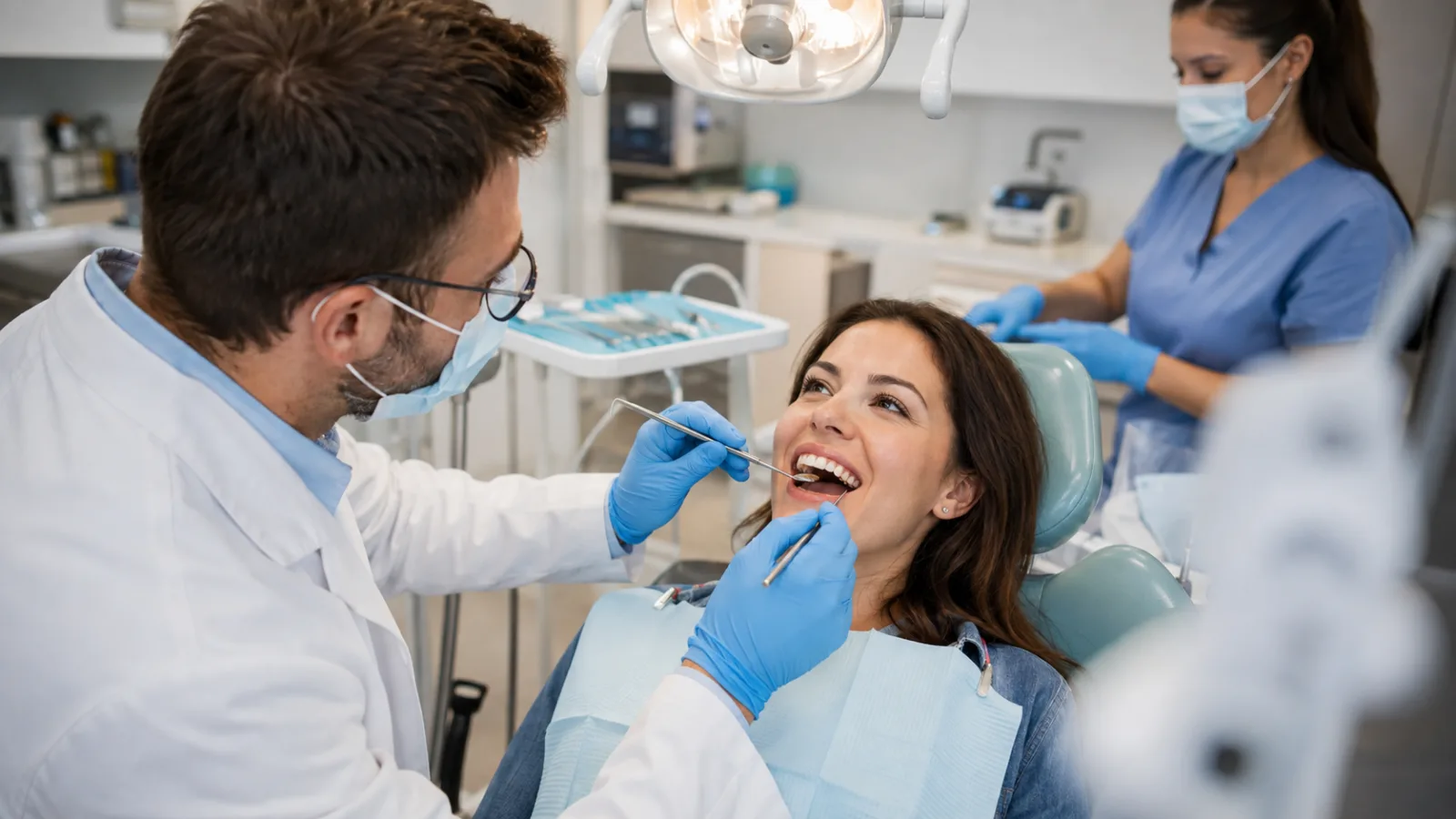
Choosing an implant dentist is an important decision. Dental implant treatment may involve several stages, a meaningful financial investment, and months of coordinated care. Patients deserve a provider who explains the process clearly, considers their comfort, and recommends treatment based on their individual needs.
If you are searching for an implant dentist near Pensacola, FL, it helps to look beyond the first search result. Experience, treatment planning, available technology, restoration options, and follow-up care can all influence the patient experience.
This guide explains what to compare, which questions to ask, and how to feel more confident before scheduling an implant consultation.
Start With the Dentist’s Implant Experience
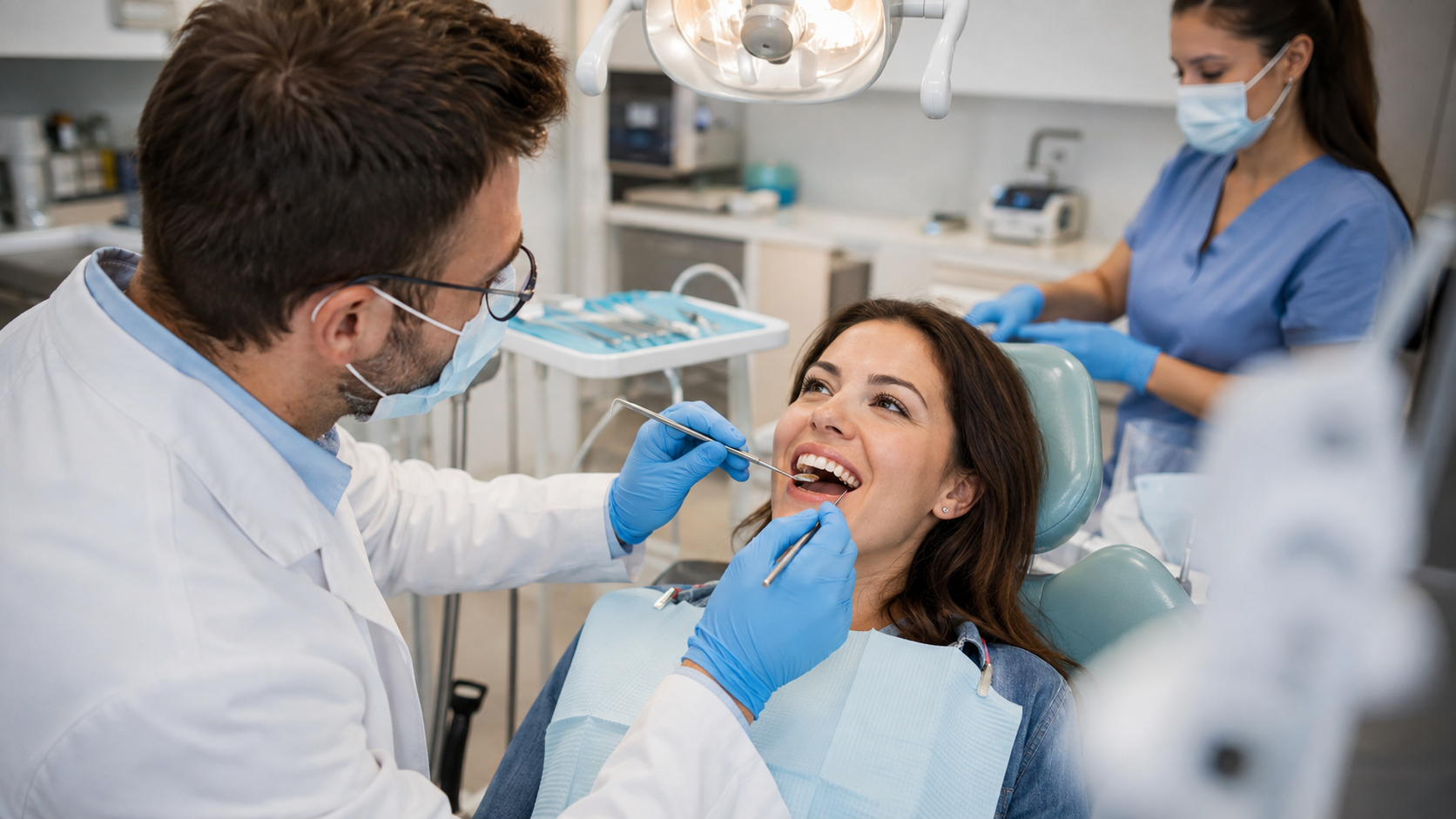
Dental implants replace missing tooth roots with small posts placed in the jaw. After an implant becomes stable within the surrounding bone, it can support a crown, bridge, or denture. Because treatment involves both surgical and restorative decisions, careful planning matters at every stage.
During a consultation, patients can ask how often the dentist provides implant care and which types of cases the practice treats. A dentist should be willing to explain their training, planning process, and approach to complex situations without making the patient feel rushed.
Useful questions include:
- What implant training has the dentist completed?
- Does the practice place implants, restore them, or coordinate both stages?
- Does the dentist regularly treat single-tooth and full-arch cases?
- How does the team evaluate bone and gum health?
- When does the dentist refer a patient to another specialist?
A trustworthy provider should also acknowledge the limits of treatment. No dentist can promise that an implant will last forever or guarantee a complication-free result. Smoking, oral hygiene, gum health, bone quality, certain medical conditions, and follow-up habits may all affect treatment.
Look for a Thorough Consultation and Digital Planning
An implant consultation should involve more than a quick look at the missing tooth. The dentist generally needs to understand the patient’s dental concerns, health history, medications, bite, remaining teeth, gum condition, and treatment goals.
Imaging helps the dental team evaluate the planned treatment area. Depending on the case, three-dimensional imaging may be used to examine available bone and nearby anatomy. The dentist can then discuss whether an implant appears reasonable and whether preparatory care may be needed.
Modern planning tools may help the provider translate a digital plan into the surgical procedure. Brighter Smile Solutions offers Yomi® robot-guided dental implant surgery in Pensacola. According to the practice, the system provides real-time guidance and haptic feedback while the dental provider remains in control of the procedure.
Technology can be valuable, but it does not replace clinical judgment. Patients should ask how a tool supports planning, what its limitations are, and why the dentist recommends it for their particular case.
Compare the Full Range of Tooth-Replacement Options
Not every missing tooth requires the same solution. The right treatment depends on how many teeth are missing, the condition of the remaining teeth, available bone, personal preferences, and budget.
Single-tooth implants
A single implant and crown may replace one missing tooth without using neighboring teeth to support a traditional bridge. The crown is designed to fit the patient’s bite and coordinate with nearby teeth.
Implant-supported bridges
When several adjacent teeth are missing, an implant-supported bridge may replace them without requiring one implant for every tooth. The number and position of implants depend on the clinical plan.
Implant-supported dentures
Implants may help stabilize a removable denture. The denture can still be taken out for cleaning, but its attachments may provide greater retention than a traditional removable denture.
Fixed full-arch restorations
Some patients may qualify for a fixed restoration supported by multiple implants. This option remains in the mouth rather than being removed by the patient. It requires careful evaluation of bone, bite forces, hygiene access, and overall health.
Brighter Smile Solutions describes fixed and removable implant options for patients missing one tooth, several teeth, or a full arch. An in-person evaluation is still necessary to identify which choices are clinically appropriate.
Understand the Treatment and Healing Stages
Dental implant treatment is a process rather than a single appointment. A dentist should explain each stage and avoid presenting one timeline as if it applies to everyone.
Early symptom recovery
After implant placement, temporary tenderness, swelling, or minor bleeding may occur. The dental team should provide instructions for eating, oral hygiene, activity, and medication use. Patients should contact the practice if symptoms are severe, worsen unexpectedly, or do not follow the pattern explained by the provider.
Soft-tissue healing
The gum tissue around the surgical area needs time to settle and form a healthy seal. This phase is different from deeper bone healing. Protecting the area and following cleaning instructions can support healthy tissue.
Osseointegration
Osseointegration is the biological process through which the implant becomes integrated with surrounding bone. Its progress cannot be judged only by how the mouth feels. The dentist evaluates stability and healing before deciding when the implant can support the intended restoration.
A clinical review of tissue management around dental implants emphasizes the importance of healthy hard and soft tissues, appropriate implant positioning, and regular follow-up. Healing and risk vary by patient, so a precise timeline should come from the treating clinician.
Final restoration
The final crown, bridge, or denture is a separate stage from early recovery and osseointegration. Completion depends on the treatment plan, healing progress, laboratory steps, and whether additional procedures are required. Some patients may receive a temporary restoration during treatment, but temporary teeth are not the same as the final prosthesis.
Ask About Comfort and Anxiety Support
Many people feel nervous about implant surgery, especially if they have had an uncomfortable dental experience in the past. A patient-focused practice should take those concerns seriously.
Before treatment, ask how the area will be numbed, what sensations to expect, and which comfort options may be available. The dentist should also review relevant medical conditions and medications before recommending any anxiety-management or sedation option.
Good communication is part of comfort. Patients should know how to signal that they need a pause and should receive clear instructions for the period after the procedure. A calm explanation often makes treatment feel more manageable.
Request a Complete, Written Cost Estimate
The cost of implant treatment varies because “a dental implant” may refer to only one part of a larger plan. The total may include examinations, imaging, extractions, bone or gum procedures, implant components, temporary teeth, the final restoration, and follow-up visits.
When comparing estimates, patients should ask:
- Which procedures and components are included?
- Is the final crown, bridge, or denture part of the quoted fee?
- Could bone grafting or extractions change the total?
- Are temporary teeth included when appropriate?
- What follow-up visits are covered?
- Does the practice offer financing, and is approval required?
- Will the team help estimate insurance benefits?
A low advertised price may not represent the entire treatment. A written estimate makes it easier to compare similar plans and reduces the chance of misunderstandings. Insurance coverage varies, and financing may involve interest, credit approval, or other terms that should be reviewed carefully.
Consider Long-Term Maintenance Before Committing
Implants cannot develop cavities, but the gums and bone around them still require care. Plaque buildup can contribute to inflammation around an implant, and problems may not always be obvious at first.
Patients should ask how to clean around the planned restoration and how frequently the dentist expects to monitor it. Daily home care, professional maintenance, and attention to changes such as bleeding, swelling, discomfort, looseness, or difficulty cleaning are important.
The best implant plan is not simply the one that looks attractive on the day it is completed. It should also allow the patient and dental team to clean, monitor, and maintain the restoration over time.
Watch for Red Flags When Choosing a Provider
Patients may want to seek another opinion if a consultation includes:
- Guaranteed results or claims that implants cannot fail
- Pressure to commit before receiving a clear treatment plan
- Little discussion of alternatives, risks, or maintenance
- An estimate that does not explain what is included
- A universal timeline that ignores individual health and healing
- Unclear answers about who will perform each stage
A second opinion can be helpful when recommendations differ or when a patient feels uncertain. A reputable dentist should respect the patient’s need to understand the options before deciding.
Frequently Asked Questions
How does someone know whether they qualify for dental implants?
Qualification depends on factors such as oral health, available bone, gum condition, medical history, medications, smoking status, and the type of restoration being considered. Only an examination and appropriate imaging can determine candidacy.
Are dental implants painful?
The treatment area is typically numbed during implant placement. Some tenderness or swelling may occur afterward, but individual experiences vary. The dentist should explain expected symptoms, comfort measures, and signs that warrant a call.
Can a person receive an implant immediately after an extraction?
Sometimes an implant can be placed at the time of extraction, but this approach is not appropriate for every site. Infection, bone condition, implant stability, gum tissue, and the planned restoration all influence the decision.
Will dental insurance cover implants?
Coverage varies widely. A plan may contribute to certain portions of treatment while excluding others or applying annual limits. Patients should request a written estimate and confirm benefits directly with their insurer.
Should a patient choose fixed or removable implant teeth?
Neither design is best for everyone. Fixed teeth may feel more similar to natural teeth, while removable restorations can offer different cleaning, bone, design, and budget advantages. A dentist can explain the tradeoffs based on the patient’s anatomy and priorities.
Finding Implant Care in Pensacola, FL
The right implant dentist should make it easier to understand the choices—not harder. Look for thoughtful evaluation, clear communication, personalized planning, transparent fees, and a realistic discussion of healing and long-term care.
Brighter Smile Solutions provides dental implant consultations at its Pensacola, FL office and offers options ranging from single implants to implant-supported dentures and full-arch restorations. Patients who are ready to explore treatment can visit Brighter Smile Solutions to request an appointment and bring their questions to the dental team. A consultation is the appropriate next step toward learning which options fit their health, comfort, goals, and budget.