
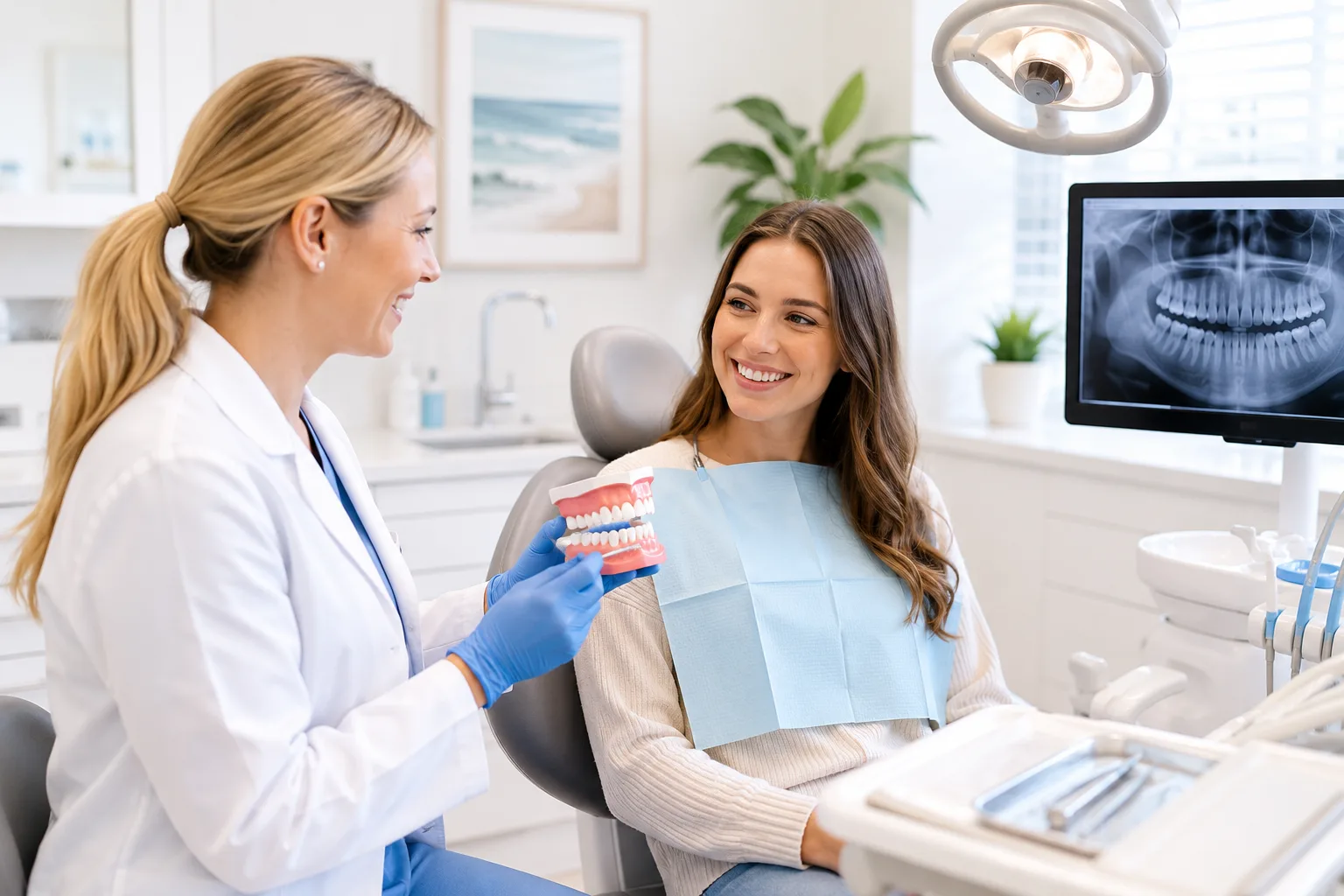
A straighter smile can improve confidence, but many patients hesitate when they picture metal brackets and wires. Clear aligners offer another possibility: a series of discreet, removable trays designed to guide teeth toward healthier alignment.
For patients considering clear aligners in Pensacola, FL, understanding the process can make the decision feel less overwhelming. Although aligners fit comfortably into many lifestyles, they are not a one-size-fits-all solution. A dental evaluation is the best way to learn whether they are appropriate for a particular smile.
This article provides general educational information and is not a diagnosis or personalized treatment recommendation. A dentist or orthodontist should evaluate dental health, bite alignment, and treatment goals before care begins.
What Are Clear Aligners?
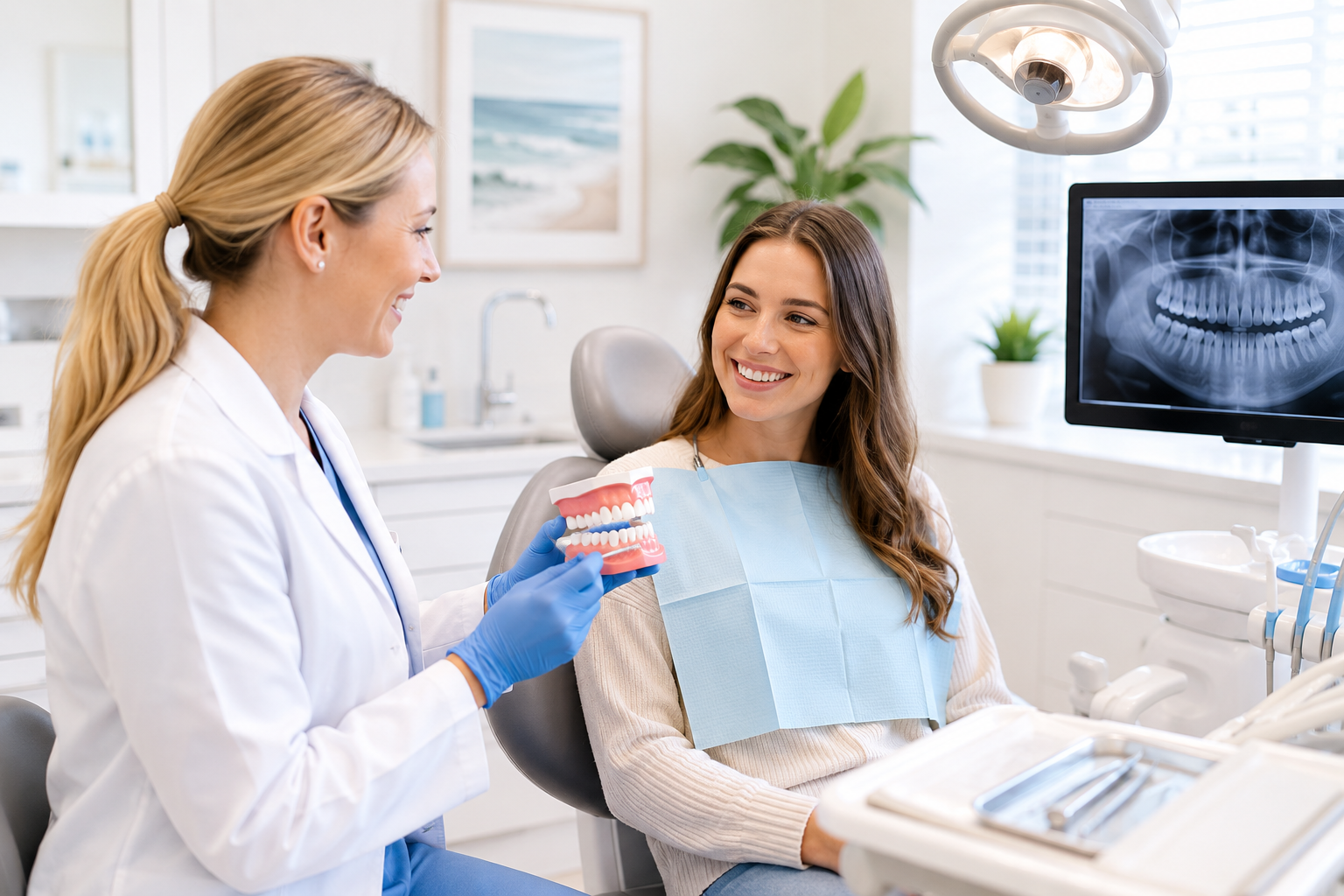
Clear aligners are custom-made trays that fit closely over the teeth. Each set applies carefully planned pressure to selected teeth. As treatment progresses, the patient changes to a new set according to the schedule provided by the treating clinician.
Unlike traditional braces, aligners do not rely on visible metal brackets or wires. The trays can also be removed for meals, brushing, and flossing. These features make them appealing to adults and teens who want a less noticeable orthodontic option.
Clear aligners may be used to address concerns such as:
- Crowded or overlapping teeth
- Small spaces or gaps between teeth
- Certain overbites, underbites, or crossbites
- Teeth that have shifted after previous orthodontic treatment
- Mild to moderate alignment concerns
Case complexity matters. Some tooth movements or bite problems may respond more predictably to braces, specialized orthodontic treatment, or a combined approach. An in-person examination helps determine which method is suitable.
How Clear Aligner Treatment Works
Aligner treatment involves more than ordering a set of trays. It begins with assessing the teeth, gums, jaw relationships, and overall oral health.
1. Dental evaluation
The clinician examines the mouth and discusses the patient’s concerns. Dental images, X-rays, photographs, or digital scans may be recommended based on the case. This information helps identify tooth decay, gum problems, bone concerns, and bite issues that could affect treatment planning.
Active dental disease generally needs attention before teeth are moved. Beginning with a healthy foundation can reduce avoidable problems during treatment.
2. Digital treatment planning
If the patient is a candidate, digital technology can be used to map a proposed sequence of tooth movements. The plan is customized rather than based only on how the front teeth look. A balanced bite and long-term oral function are also important considerations.
A digital preview may help illustrate the intended direction of treatment, but it should not be viewed as a guaranteed result. Tooth movement varies among patients, and the plan may need adjustments along the way.
3. Wearing the aligners
Patients wear each tray according to their clinician’s instructions and move to the next set on the prescribed schedule. Consistent wear is essential because aligners cannot guide the teeth while sitting in their case.
The trays should usually be removed when eating and when drinking beverages that could stain or damage them. Patients should brush before reinserting the trays when practical. This helps prevent food and sugar from remaining trapped against the teeth.
4. Progress appointments
Checkups allow the dental team to confirm that the trays fit properly and that the teeth are moving as planned. In some cases, small tooth-colored attachments are placed on certain teeth to help the aligners produce specific movements.
A clinician may recommend replacement trays, refinements, or other modifications if progress differs from the original plan. These adjustments are part of supervised care rather than evidence that treatment has failed.
5. Retention after active treatment
Teeth can shift after orthodontic treatment. A retainer helps support the new alignment after the active series of trays is complete. Patients should follow the recommended retention plan and bring the retainer to dental visits if they notice changes in fit.
Benefits Patients Often Appreciate
Clear aligners are popular because they can make orthodontic treatment easier to incorporate into daily routines. Potential benefits include:
- A discreet appearance: The transparent trays are generally less noticeable than metal braces.
- Removability: Patients can take them out for meals and routine oral hygiene.
- No routine food restrictions: Because trays are removed before eating, patients do not have brackets that can be damaged by hard or sticky foods.
- Simpler brushing and flossing: Patients can clean their teeth without navigating around fixed wires.
- A customized plan: Each sequence is created for the patient’s teeth and treatment goals.
These advantages still come with responsibility. Removable trays work best for patients who can follow wear, cleaning, storage, and appointment instructions consistently.
What Do Clear Aligners Feel Like?
It is normal for a new set of aligners to feel snug. Some patients notice temporary pressure or tenderness as the teeth respond to the tray. The edges may also feel unfamiliar against the lips or tongue at first.
Minor pressure is different from severe or worsening pain. A patient should contact the treating clinician if a tray causes significant pain, does not fit properly, creates a persistent sore spot, or appears to change the bite unexpectedly.
The U.S. Food and Drug Administration has advised people considering aligners to receive an evaluation from a dentist or orthodontist, follow wear and follow-up instructions, and report unexpected pain or bite problems. This is one reason professionally supervised care matters. The American Dental Association’s report on the FDA guidance also explains the distinction between registered and authorized products.
Daily Care Tips During Treatment
Good habits protect both the trays and the teeth underneath them. Patients can make treatment easier by following a few practical steps:
- Remove aligners before eating unless the clinician gives different instructions.
- Keep trays in their case rather than wrapping them in a napkin, where they can be lost or discarded.
- Rinse the trays with cool or lukewarm water. Hot water may distort the material.
- Use the cleaning method recommended by the dental team.
- Brush and floss thoroughly to limit plaque buildup and trapped food.
- Continue routine dental examinations and professional cleanings.
- Call the office if an aligner is lost, cracked, or no longer fits.
Patients should not automatically skip ahead to another tray after losing one. The dental team may recommend wearing the previous tray, moving forward, or ordering a replacement depending on the situation.
How Long Does Treatment Take?
There is no single timeline that applies to every patient. Treatment length depends on the starting position of the teeth, bite complexity, the amount and type of movement needed, biological response, and how consistently the aligners are worn.
Small alignment changes may require less time than complex bite correction. Additional refinements can extend care when teeth do not move exactly as planned. A personalized evaluation provides a more meaningful estimate than a general online promise.
It is also helpful to distinguish active treatment from retention. Finishing the last active tray does not mean the teeth will remain in place without support. Retainer use is a separate, ongoing phase intended to help preserve the result.
How Much Do Clear Aligners Cost in Pensacola?
The cost of clear aligners in Pensacola, FL varies because treatment is customized. Factors may include case complexity, the number of trays required, diagnostic records, follow-up appointments, refinements, and retainers.
Patients should ask for a written estimate explaining what the quoted fee includes. It is also worth checking whether a dental insurance plan includes orthodontic benefits. Coverage limits, age restrictions, waiting periods, and network rules vary by plan.
Some patients may also be able to use eligible health savings account or flexible spending account funds. The practice and plan administrator can help clarify available options, but patients should verify their individual benefits before relying on coverage.
Choosing Clear Aligner Care in Pensacola, FL
Convenience and price matter, but clinical supervision should remain central to the decision. Before beginning treatment, patients can ask:
- Will a dentist assess the teeth, gums, and bite before treatment?
- Are dental X-rays or other records needed?
- Who monitors progress and answers questions?
- What happens if the teeth do not move as predicted?
- Are refinements and retainers included in the fee?
- How are urgent concerns or damaged trays handled?
- Would braces or another treatment offer a better result for this case?
Brighter Smile Solutions offers clear aligner treatment in Pensacola with a focus on individualized planning and modern dental care. The practice is located at 410 W 9 Mile Road, Pensacola, FL 32534.
Frequently Asked Questions
Are clear aligners the same as braces?
No. Both approaches move teeth, but they use different methods. Braces are fixed to the teeth, while clear aligners are removable. The better choice depends on the patient’s bite, treatment needs, lifestyle, and ability to follow care instructions.
Can a patient eat while wearing clear aligners?
Patients are generally instructed to remove aligners for meals. Eating with them can stain, crack, or distort the trays. The treating clinician should provide specific guidance about beverages and wear.
Will clear aligners affect speech?
Some patients notice a temporary change, such as a slight lisp, when they begin wearing trays. Speech often becomes easier as the mouth adapts. A persistent concern should be discussed with the dental team.
Can clear aligners fix every orthodontic problem?
No. Aligners can treat many alignment and bite concerns, but some complex cases may be better managed with braces, additional appliances, or specialist care. Only an examination can determine which options are appropriate.
What happens if a tray is lost?
The patient should contact the dental office promptly. The clinician will decide whether the patient should use the previous tray, advance to the next one, or receive a replacement. Guessing can disrupt planned tooth movement.
Does a patient still need dental cleanings during treatment?
Yes. Clear aligner appointments do not replace preventive dental care. Routine examinations and cleanings help the dental team monitor for cavities, gum inflammation, and other concerns throughout treatment.
Take the Next Step Toward a Straighter Smile
Clear aligners can provide a discreet and convenient way to improve tooth alignment, but successful care starts with a careful evaluation and a plan designed for the individual. Patients should understand the expected process, responsibilities, costs, and alternatives before deciding.
Those exploring clear aligners in Pensacola, FL can contact Brighter Smile Solutions to ask questions or schedule a consultation. A conversation with the dental team can clarify whether aligners fit the patient’s oral health needs, goals, and everyday routine—without pressure or one-size-fits-all promises.