
A straighter smile can make it easier to feel confident in everyday moments, from meeting new people to posing for family photos. For patients who would prefer not to wear traditional metal braces, Invisalign clear aligners may offer a more discreet approach to orthodontic treatment.
However, choosing clear aligners involves more than deciding whether the trays look convenient. Your dentist must consider your teeth, bite, oral health, treatment goals, and willingness to follow the recommended wear schedule. If you are researching Invisalign in Pensacola, FL, the following guide explains what to expect and which questions can help you make an informed decision.
This article provides general educational information and is not a diagnosis or a substitute for personalized dental advice. A dentist or orthodontist must examine your teeth to determine whether Invisalign or another treatment is appropriate.
What Is Invisalign?
Invisalign is a brand of clear orthodontic aligners. Instead of brackets and wires, treatment uses a planned series of thin, removable trays designed to guide teeth toward new positions.
Each aligner is shaped slightly differently. As you progress through the series according to your clinician’s instructions, the trays apply controlled pressure to selected teeth. Your provider monitors that progress and may adjust the plan when necessary.
Research suggests that Invisalign can be a viable alternative to conventional orthodontic treatment for certain mild to moderate alignment concerns, although effectiveness depends on the type and complexity of the case. A systematic review of Invisalign treatment also noted limitations in the available research, reinforcing the importance of individualized treatment planning rather than assuming that clear aligners are suitable for everyone.
What Dental Concerns Can Clear Aligners Address?
Depending on the patient and treatment plan, clear aligners may be considered for concerns such as:
- Crowded or overlapping teeth
- Small spaces between teeth
- Certain rotated or tilted teeth
- Some overbite, underbite, open-bite, or crossbite concerns
- Teeth that have shifted after previous orthodontic treatment
The appearance of the smile is only one part of the evaluation. A dentist or orthodontist also examines how the upper and lower teeth fit together. Two people may have similar-looking crowding but require very different plans because their bites, jaw relationships, or tooth positions are different.
More complex movement may require additional orthodontic techniques, conventional braces, treatment by a specialist, or a combination of approaches. An in-person assessment is the most reliable way to understand the available options.
What Happens During Invisalign Treatment?
1. Consultation and oral health evaluation
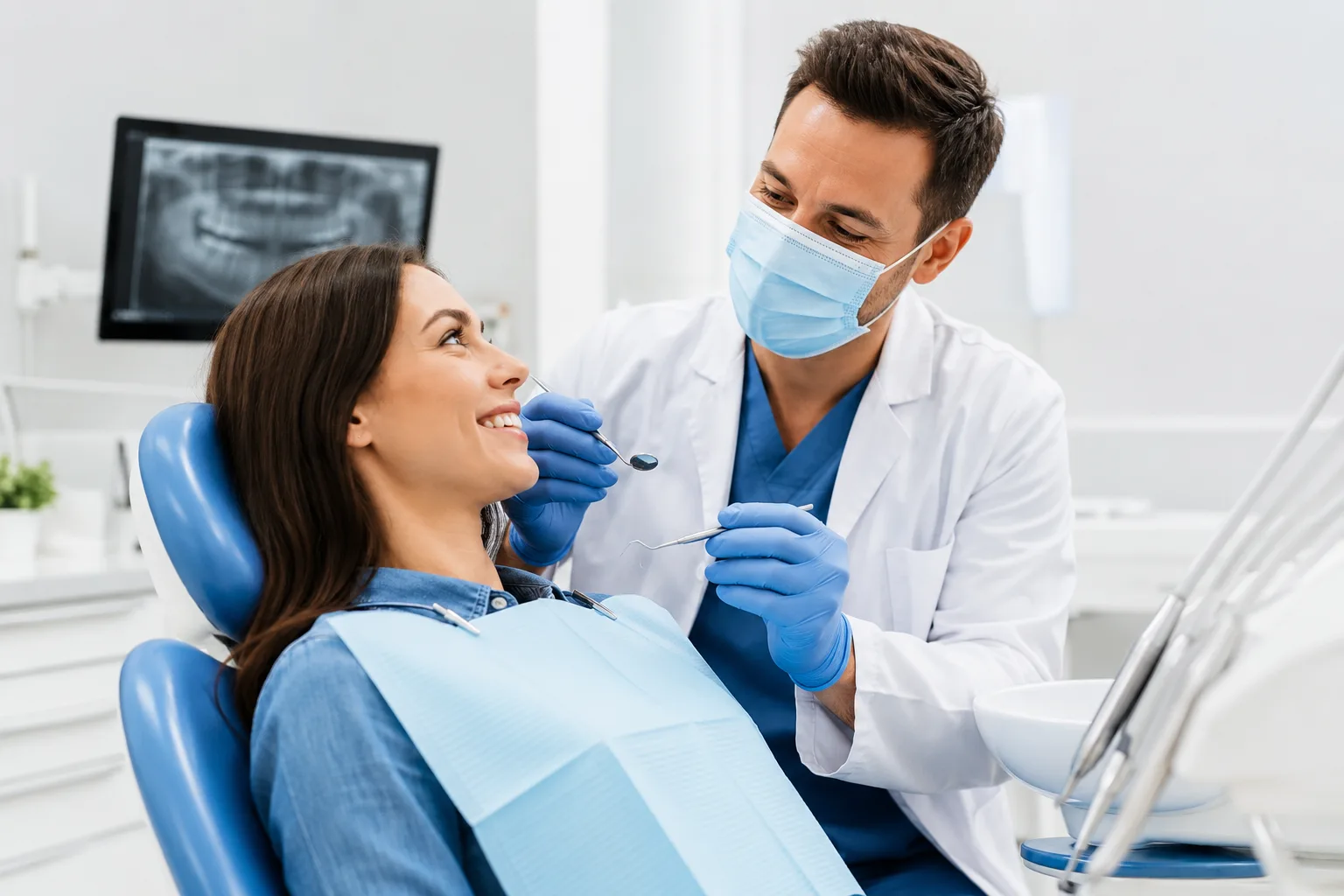
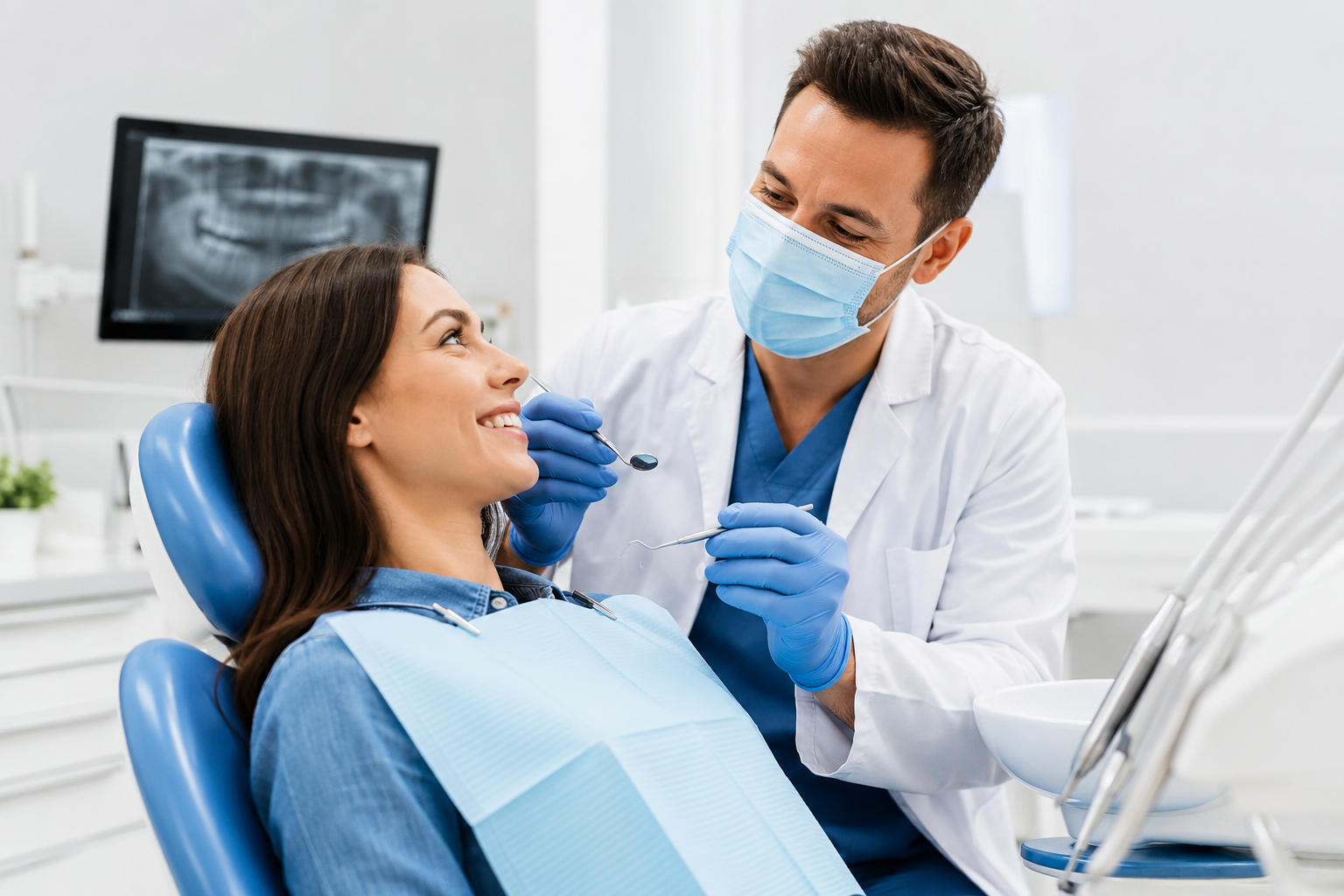
The process usually begins with a conversation about what you would like to change. Your provider evaluates the teeth, gums, existing dental work, bite, and general oral health. Diagnostic records may include photographs, X-rays, and a digital scan or impression of the teeth.
Active decay, gum concerns, or other dental problems may need attention before orthodontic movement begins. Addressing these issues first helps establish a healthier foundation for treatment.
2. Digital treatment planning
The clinical records are used to develop a customized plan. Digital planning can illustrate the intended stages of movement, but the preview should not be viewed as a guaranteed final result. Teeth do not always respond exactly as a computer simulation predicts, which is why professional monitoring remains important.
3. Wearing the aligners
Patients generally wear their trays for most of the day and remove them for eating, drinking anything other than plain water, brushing, and flossing. The exact daily wear schedule and the timing for changing trays should come from the treating clinician.
New aligners may feel snug, and some patients notice temporary pressure or tenderness as their teeth adjust. Patients should contact their provider if they experience severe pain, a damaged tray, a sharp edge, or an aligner that does not fit as directed.
4. Progress appointments and possible refinements
Periodic visits allow the provider to check whether the trays fit correctly and whether the teeth are moving as planned. Sometimes a new scan and additional aligners, often called refinements, are needed. Refinements are not necessarily a sign that treatment failed; they can be part of adapting the plan to the way the teeth respond.
5. Retention after active treatment
Finishing the last aligner does not mean the teeth will automatically remain in place. Retainers are commonly recommended after orthodontic treatment to help maintain the new positions. Patients should follow their provider’s instructions regarding retainer type, wear, cleaning, and replacement.
Benefits and Responsibilities to Consider
Clear aligners appeal to many adults and teens because they are less noticeable than metal brackets. The trays are removable, which means there are no brackets to brush around during daily oral hygiene. They can also be taken out during meals, so patients do not have the same food restrictions associated with fixed braces.
That removability comes with responsibility. Aligners can only work as planned when they are worn consistently. Frequently leaving them out, losing trays, or changing to the next set without guidance may delay progress or affect the result.
Patients must also be prepared to:
- Remove aligners before eating
- Brush or rinse before putting trays back in
- Clean the trays as instructed
- Keep aligners away from heat that could distort them
- Store removed trays in their case
- Attend scheduled monitoring appointments
Attachments may also be placed on certain teeth. These small, tooth-colored shapes give the aligners additional grip for specific movements. Although usually subtle, they may make the trays slightly more visible than patients initially expect.
How Long Does Invisalign Take?
There is no single Invisalign timeline that applies to every patient. Treatment length depends on the starting tooth positions, bite complexity, amount of movement required, biological response, and consistency of aligner wear. Additional aligners may extend the original plan.
A clinician can provide a personalized estimate after reviewing diagnostic records. Even then, the timeline is an estimate rather than a promise. Keeping appointments and wearing the trays as instructed gives the treatment plan the best opportunity to progress efficiently.
How Much Does Invisalign Cost in Pensacola?
The cost of Invisalign in Pensacola, FL, varies because clear aligner treatment is customized. A short plan involving limited movement will not necessarily cost the same as treatment for multiple alignment and bite concerns.
Common factors that may influence the total fee include:
- The complexity of tooth and bite movement
- The expected duration of treatment
- The number of aligners or refinements required
- Whether retainers are included
- Diagnostic imaging and monitoring visits
- Dental insurance orthodontic benefits
When comparing fees, patients should ask what the quoted amount includes rather than focusing only on the initial number. It is helpful to confirm whether the fee covers records, attachments, progress appointments, replacement trays, refinements, and retainers.
Insurance coverage differs by plan. Some policies include an orthodontic benefit, while others exclude adult orthodontics or clear aligners. The dental office and insurance company can help clarify coverage, deductibles, benefit limits, and payment options before treatment begins.
How to Care for Teeth and Aligners
Consistent home care remains important throughout treatment. Food, plaque, or sugary liquid left on the teeth before trays are replaced can remain enclosed beneath the aligners. Patients should follow their dental team’s specific hygiene recommendations.
Practical habits include brushing thoroughly, cleaning between the teeth each day, rinsing after meals when brushing is not immediately possible, and cleaning aligners with the method recommended by the provider. Hot water should generally be avoided because it may alter the trays’ shape.
Regular dental exams and professional cleanings are still necessary during orthodontic treatment. Invisalign progress visits do not automatically replace preventive dental appointments.
Questions to Ask at an Invisalign Consultation
A productive consultation should leave you with a clear understanding of both the benefits and the responsibilities involved. Consider asking:
- Is Invisalign appropriate for my specific teeth and bite?
- Are there alternatives that may work better for my case?
- Will I need attachments, enamel reshaping, or other procedures?
- What daily wear schedule will be expected?
- What is included in the treatment fee?
- How will progress be monitored?
- What happens if a tray is lost or does not fit?
- Are refinements and retainers included?
- Who should I contact if I develop pain or another concern?
Frequently Asked Questions
Is Invisalign completely invisible?
No. The aligners are transparent and often less noticeable than metal braces, but they are not entirely invisible. Attachments, the edges of the trays, and natural reflections can sometimes be seen at close range.
Can patients eat while wearing Invisalign trays?
Patients are typically instructed to remove aligners before eating and before drinking anything other than plain water. Food can damage or stain the trays, and hot beverages may affect their shape. The treating provider’s directions should always take priority.
Does Invisalign hurt?
Some pressure or temporary tenderness may occur, particularly after changing to a new aligner. Severe, worsening, or persistent pain should be reported to the treating dental professional rather than assumed to be normal.
Can a person with crowns, veneers, or implants use clear aligners?
Existing dental restorations do not automatically rule out treatment, but they can affect planning. Dental implants do not move like natural teeth, and crowns or veneers may influence attachment placement. A clinician must evaluate each restoration and the surrounding teeth.
Is Invisalign only for adults?
No. Clear aligners may be an option for some teenagers as well as adults. The patient must be able to follow the wear schedule and care instructions. Dental development and case complexity also influence candidacy.
Will teeth stay straight after Invisalign?
Teeth can shift after any form of orthodontic treatment. Wearing retainers according to professional instructions is an important part of maintaining the result.
Explore Your Smile Options in Pensacola, FL
Clear aligners can be convenient and discreet, but successful treatment starts with the right diagnosis and a realistic plan. The best option is the one that safely addresses your individual teeth, bite, oral health, lifestyle, and goals.
If you are considering Invisalign or another way to improve your smile, contact Brighter Smile Solutions at 410 W 9 Mile Road, Pensacola, FL 32534. The team can answer questions, discuss your smile goals, and help you determine the appropriate next step, including whether an evaluation or referral is needed. Call (850) 608-4920 to begin the conversation.