
A brighter smile can make a person feel more confident in photographs, conversations, and everyday life. However, with whitening strips, gels, toothpastes, and professional treatments all competing for attention, choosing the right approach can feel confusing.
For anyone considering teeth whitening in Pensacola, FL, the best place to begin is with a clear understanding of what whitening can—and cannot—do. The right option depends on the type of discoloration, current oral health, existing dental work, sensitivity, and personal goals.
This article provides general educational information and is not a substitute for an examination or personalized advice from a dentist. Patients with pain, damaged teeth, gum problems, or persistent sensitivity should consult a dental professional before using whitening products.
Why Do Teeth Become Discolored?
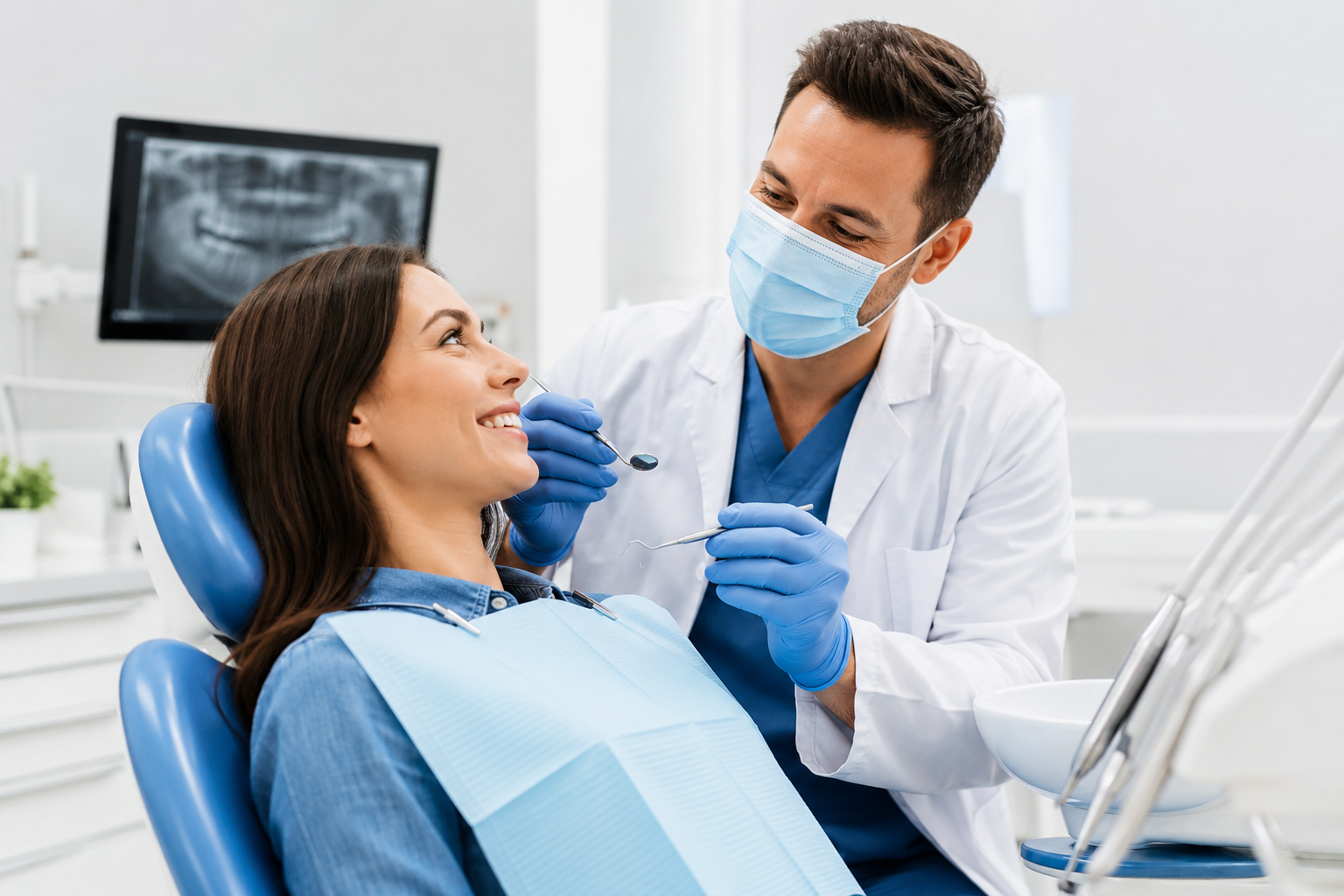
Teeth naturally vary in color. Some people have brighter enamel, while others have warmer ivory, gray, or yellow undertones. Teeth may also appear darker over time as enamel changes and the underlying dentin becomes more visible.
Discoloration generally falls into two broad categories.
Surface stains
Surface stains, also called extrinsic stains, collect on the outside of the teeth. Common contributors include:
- Coffee and tea
- Red wine and dark-colored soft drinks
- Berries and highly pigmented sauces
- Tobacco use
- Plaque and tartar buildup
Some surface discoloration may improve with a professional dental cleaning. Whitening products can then help address pigments that remain within the enamel.
Discoloration within the tooth
Intrinsic discoloration develops inside the tooth. It may be related to natural tooth development, age, previous trauma, certain medications, or changes within an individual tooth. This type of discoloration may not respond as predictably to conventional whitening.
If one tooth has recently become gray or noticeably darker than nearby teeth, it is important to have it evaluated rather than simply applying a bleaching product. A dentist can look for an underlying dental concern and discuss appropriate cosmetic options.
How Professional Teeth Whitening Works
Whitening products generally use peroxide-based ingredients that move into the tooth structure and break down colored compounds. This process can make natural teeth look lighter without removing a layer of enamel.
Professional whitening is planned with the condition of the teeth and gums in mind. Depending on the dental office and the patient’s needs, options may include an in-office procedure, a dentist-supervised take-home system, or a combination of the two.
In-office whitening
During an in-office treatment, the dental team protects the gums and other soft tissues before applying a professional whitening material. The team monitors the process and adjusts the approach when necessary. This option may appeal to patients who want a supervised treatment completed during a dental visit.
Dentist-supervised take-home whitening
A professional take-home system typically uses trays designed to hold whitening gel against the teeth. The dentist provides instructions regarding how much gel to apply and how to use the trays. Treatment schedules vary based on the product, tooth shade, sensitivity, and desired result.
Over-the-counter products
Whitening strips, rinses, toothpastes, and generic trays are widely available. They may help with mild staining when used exactly as directed, but they offer less personalization. Poorly fitting trays or excessive product use may allow whitening gel to contact the gums and increase irritation.
Whitening toothpaste mainly helps remove surface stains through polishing ingredients. It does not change tooth color in the same way as a peroxide bleaching treatment, and aggressive brushing can contribute to sensitivity or tooth wear.
Why a Dental Evaluation Should Come First
Whitening works best when the mouth is healthy. Before recommending treatment, a dentist may check for cavities, cracked teeth, exposed roots, gum inflammation, enamel wear, and leaking or damaged restorations.
This examination matters because whitening material can aggravate sensitivity when it reaches vulnerable areas. It also helps determine whether discoloration is likely to respond to bleaching or whether another cosmetic approach may be more suitable.
A cleaning may also be recommended when plaque or tartar is affecting the appearance of the smile. Removing these deposits provides a cleaner starting point and allows the natural tooth shade to be evaluated more accurately.
Will Crowns, Fillings, or Veneers Whiten?
Whitening products lighten natural tooth structure, but they do not predictably change the color of crowns, tooth-colored fillings, bonding, bridges, or veneers. As natural teeth become brighter, existing restorations may stand out more than they did before treatment.
That does not automatically rule out whitening. Instead, the dentist can help plan the order of care. For example, whitening may be completed before a visible restoration is replaced so that the new material can be matched to the updated tooth shade.
A review published in the Journal of Evidence-Based Dental Practice discusses current knowledge about tooth whitening, including considerations involving dental restorations and sensitivity. Individual results still depend on oral health, materials, and treatment technique.
Is Teeth Whitening Safe?
Teeth whitening is commonly used, but it should be approached thoughtfully. The most frequently discussed side effects are temporary tooth sensitivity and irritation of the gums or other soft tissues. Risk can be influenced by product concentration, treatment frequency, tray fit, and existing dental conditions.
A dentist may modify the treatment plan for someone with sensitive teeth. Options can include changing how often the product is used, adjusting the exposure, or recommending a toothpaste made for sensitivity. The American Dental Association notes that people experiencing sensitivity may use desensitizing toothpaste and should contact their dentist if sensitivity persists.
More whitening is not always better. Leaving a product on longer than directed or combining multiple products may increase discomfort without producing a better-looking result. Patients should follow the provided instructions and pause treatment if they experience significant pain, gum injury, or symptoms that do not settle.
What Results Can Patients Expect?
No responsible provider can promise one exact shade change for every patient. Results depend on the starting color, type of stain, condition of the enamel, treatment method, and individual response.
Yellow or food-related staining may respond differently from gray discoloration, developmental color changes, or a darkened tooth. Teeth may also lighten somewhat unevenly at first, particularly when certain areas contain deeper staining.
The goal should be a natural-looking improvement rather than an artificial shade. A dental consultation allows the patient and dentist to discuss realistic expectations before treatment begins.
How Long Does Whitening Last?
Whitening is not permanent because teeth continue to encounter pigments from foods, drinks, and daily habits. How long a brighter appearance remains noticeable varies from person to person.
Patients can help maintain their results by:
- Brushing twice daily with a fluoride toothpaste
- Cleaning between the teeth each day
- Keeping regular dental cleaning and examination appointments
- Rinsing with water after dark-colored drinks
- Avoiding tobacco
- Using touch-up products only as directed by a dentist
The American Dental Association also recommends healthy oral hygiene habits and limiting common staining substances such as coffee, tea, red wine, dark berries, soft drinks, and highly pigmented sauces after whitening.
How Much Does Teeth Whitening Cost in Pensacola?
The cost of teeth whitening in Pensacola can vary according to the treatment method, whether an examination or cleaning is needed, the materials used, and whether future touch-ups are included. In-office whitening and customized take-home treatment may have different fees.
Because cosmetic whitening is often not covered by dental insurance, patients may want to ask for a written estimate before proceeding. It can also be helpful to ask what the quoted fee includes rather than comparing price alone. Professional evaluation, customized instructions, tissue protection, and follow-up support all contribute to the treatment experience.
Who May Need an Alternative to Whitening?
Whitening may not be the best first choice for every smile. A dentist may recommend delaying or modifying treatment when a patient has active tooth decay, untreated gum problems, significant enamel wear, pronounced sensitivity, or damaged dental work.
When discoloration does not respond well to bleaching, cosmetic bonding, veneers, crowns, or another carefully selected treatment may be discussed. Each option has different benefits, limitations, maintenance needs, and costs, so treatment should be based on a full evaluation rather than color alone.
Questions to Ask at a Whitening Consultation
Patients can make a more informed decision by asking:
- What type of staining is present?
- Are the teeth and gums healthy enough for whitening?
- How might fillings, crowns, bonding, or veneers affect the result?
- Which whitening option fits the patient’s goals and sensitivity history?
- What side effects should the patient watch for?
- What is included in the treatment fee?
- How should the result be maintained?
Frequently Asked Questions About Teeth Whitening
Does teeth whitening hurt?
Some people experience temporary sensitivity or gum irritation, while others have little discomfort. A dentist can review a patient’s sensitivity history and adjust the approach when appropriate. Persistent or severe pain should be evaluated rather than ignored.
Can sensitive teeth be whitened?
Possibly, but the cause and severity of the sensitivity should be assessed first. A dentist may recommend addressing cavities, exposed roots, or other concerns before whitening. If treatment is appropriate, the product or schedule may be modified.
Can whitening remove every stain?
No. Whitening tends to work better for some types of discoloration than others. Deep internal discoloration, a tooth changed by trauma, and the color of restorations may require a different plan.
Should teeth be cleaned before whitening?
A cleaning may be helpful when plaque, tartar, or surface stain is present. The dentist can determine whether a cleaning is needed before treatment and check for oral health concerns that could affect comfort or results.
Can a patient whiten teeth before a wedding or special event?
Yes, but planning ahead is wise. An early consultation leaves time to address dental concerns, select an appropriate method, and manage possible sensitivity. Starting at the last minute may encourage overuse, which should be avoided.
Is professional whitening better than store-bought whitening?
The best choice depends on the patient. Store-bought products may improve mild surface staining, while professional care offers an oral health evaluation, personalized instructions, and dental supervision. Patients with restorations, sensitivity, or uneven discoloration may particularly benefit from professional guidance.
Explore Teeth Whitening in Pensacola, FL
A brighter smile begins with more than choosing a product from a shelf. Identifying the cause of discoloration, checking the health of the teeth and gums, and setting realistic expectations can make the process safer and more predictable.
Brighter Smile Solutions offers cosmetic dental care, including teeth whitening, at 410 W 9 Mile Road in Pensacola, FL. Patients who are curious about whitening can contact the practice to ask questions and schedule a personalized consultation. The dental team can evaluate the smile, explain suitable options, and help each patient choose a comfortable next step.